
 Tiếng Việt
 日本語
日本語Today marks the 6th anniversary of establishment and development of Kim Sora Co., Ltd. (September 25, 2015 – September 25, 2021).
Going through a journey with so much passion and enthusiasm; In recent times, Kim Sora has affirmed its position and brand in the field of public health care; Proud to be one of the reputable companies manufacturing and processing garments and medical masks for export in Vietnam; Trusted and chosen by domestic and foreign customers.
Although there were difficulties in the process of formation and development; There were failures, but beyond that, the Board of Directors and all employees, Kim Sora, still tried their best and never stopped thinking. Then today, on the occasion of the Company’s 6th anniversary; Kim Sora family member was extremely emotional when looking back on the recent journey of construction and development.
6 year journey for formation and development.
A period of time that is not too long but carries great meaning for Kim Sora; marking each milestone of the Company’s maturity. At each milestone, the company was fortunate to receive companionship; cooperation and development of customers nationwide. That is the great source of motivation that helps Kim Sora overcome difficulties and challenges; to accomplish common goals.
With the goal of becoming a leading enterprise in the field of garment and mask production; The company always focuses on improving the quality of products and services. This is the core value of Kim Sora. Understanding this, from the Board of Directors to each employee, we are always more dedicated in each job; Be more careful in every decision and more professional in every operation. Regardless of our position, we always respect and fulfill our commitments to customers; Meet the increasing demands of consumers with “QUALITY – PRESTIGIOUS – SAFE & EFFICIENT” products.
6 years of journey, 6 years of new developments. Happy birthday Kim Sora.
Mid-Autumn Festival carries lanterns to go out. But that’s every year, not 2021! Hopefully we will all celebrate Tet reunion in a special but safe way.
Mid-Autumn; An occasion when children cling tightly to their parents’ hands asking to buy toys, the streets are red with lanterns and fragrant with the smell of sticky rice cakes and baked goods, an occasion when members gather together to have fun.
This year’s Mid-Autumn Festival is so special that next year many people will want to forget; On the map of the provinces and cities, there are still green areas, red areas, and orange areas to mark areas that still have the shadow of the evil Corona virus.
Please comply with the request “whoever stays where they are”. Gifts for grandparents, siblings… have to ask the shipper to help deliver them.
The children’s parents ordered lanterns from online markets. On the reunion day, we met on Facebook, through video call applications… and then sang the song “Tung Dinh Dinh, Tung Tung Dinh Dinh”… to carry lights around the small room. Out of sight but not out of mind!
The season of reunion and Tet is when thousands of people in all corners of the country do not need to worry; Even more difficult because of the epidemic, when all the children who have been away from home can return home! Let’s sacrifice a little so the whole country can be safe! Wishing everyone the word “peace”!
On the occasion of Mid-Autumn Festival, Kim Sora Co., Ltd. would like to wish our customers; Partners and all employees always have good health and happiness with relatives and family.
3 ways to quickly fix mask straps if they suddenly break.
Due to the impact of the Covid-19 epidemic; People will be conscious of wearing masks when going out. However, what to do if the strap of the mask is broken?
Join Kim Sora to learn methods to fix mask straps if they suddenly break!
1. Repair with needle and thread
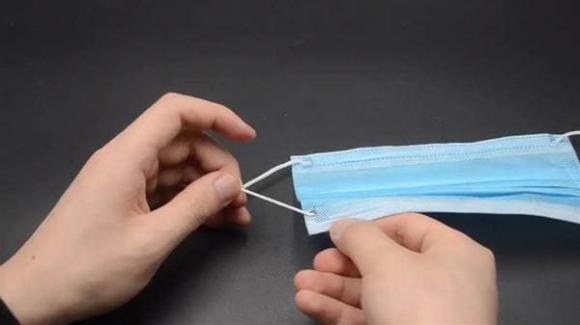
Prepare needle and thread; Press the broken end of the protective wire onto the mask and secure with sewing thread. After the mask is repaired; you can continue to use it. If you want to prevent the other ends of the rope from breaking again; you can sew one end at a time.
2. Repair with a lighter
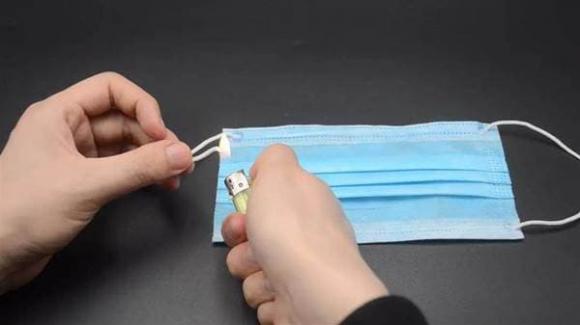
When the mask strap is broken; We can use a lighter to burn the mask strings. Then place the burned mask strap back to the mask’s original position; Use the bottom of the lighter to press in. By this way; The rope of the mask can be firmly fixed on the mask; Solve the troubles of many people.
3. Replacement rubber band
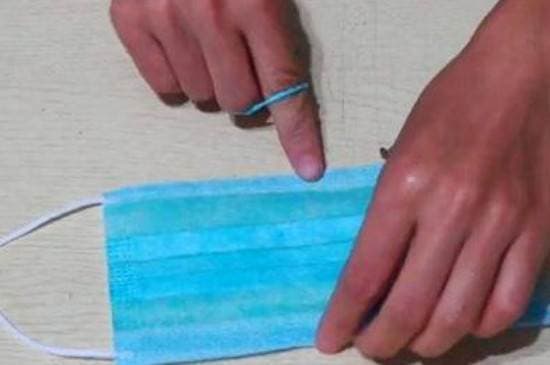
If the protective strap of the mask is broken; You can replace it with a rubber band; Use elastic bands to tightly secure the top and bottom edges of the mask; then wrap the rubber band around the base of the ear. If the wire breaks in the middle; Please tie the rope with a rubber band and secure it before use.
Notes when using masks:
You should pay attention to the shelf life of the mask when regularly wearing it; In general, the shelf life of regular masks is 2-3 years; You should not use expired masks because it will reduce the protective effect. Always wash your hands before and after wearing a mask to avoid bacteria from getting inside the mask. When wearing a mask; Do not pull too hard to avoid breaking the mask strap.
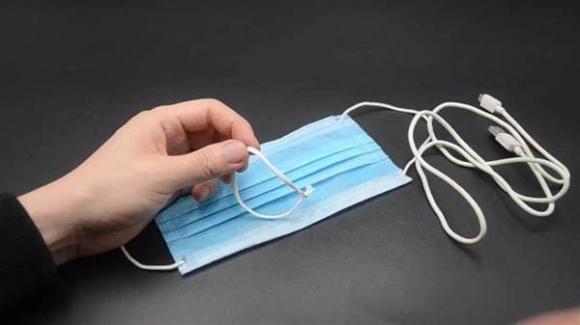
Don’t throw away your mask if the string breaks; Because with just a few simple methods, it can be easily repaired and solve many of your problems.
Common symptoms of COVID-19; include cough, shortness of breath, headache, fatigue and fever. But after COVID-19 symptoms disappear; Some people may experience “brain fog” – a long-term problem that can affect the ability to carry out daily tasks.
What is brain fog?
Brain fog is associated with problems with thinking, memory and concentration: forgetfulness, lack of concentration, fatigue and poor clarity… but for many patients; It can be challenging to describe the symptoms of brain fog.
Dr. Talya Fleming, Medical Director of COVID Rehabilitation Program, JFK Johnson Rehabilitation Institute said: Patients often say they don’t feel right; I feel like there’s something overwhelming that makes everything no longer as sharp as before.
Brain fog syndrome causes memory loss and difficulty concentrating.
Persistent “brain fog” is one of the neurological symptoms commonly reported by people with COVID-19. In some cases; Brain fog, or cognitive decline, can last for months after the illness has resolved.
Many patients complain of problems with memory; easily distracted, difficulty following conversations, and difficulty concentrating and participating in daily tasks. Symptoms of brain fog may also appear as:
-Walk into a room and forget why you’re there.
-Difficult to think of the right words.
-Difficulty remembering what you just read.
-It takes longer to complete tasks.
-Forget recipes or steps when cooking.
-Forget what you were doing after becoming distracted…
These symptoms often appear after the patient has experienced a medical emergency and returned to work. In many cases; The patient has difficulty performing work or daily management. This can negatively affect their quality of life.
What causes brain fog after COVID-19?
According to Dr. Fleming, scientists are still researching potential causes of brain fog after COVID-19. However, some identified causes of this condition include:
– Lack of oxygen due to lung damage.
– Inflammation affects brain cells.
Autoimmune disorders cause the immune system to attack healthy cells in the body.
– Lack of blood flow due to swelling of small blood vessels in the brain…
Causes of brain fog are also due to overwork, lack of sleep, stress and spending too much time on the computer. At the cellular level; Brain fog is thought to be caused by high levels of inflammation and changes to hormones that determine mood; your energy and focus.
Additionally, medication use or medical conditions (related to inflammation, fatigue or changes in blood sugar levels); even nutritional deficiencies or inadequacies; may contribute to brain fog symptoms.
Long-term complications after COVID-19 infection are different for each person, Dr. Fleming said. For some patients; Brain fog after COVID-19 may go away in about three months. But for others; it could last much longer.
How to deal with brain fog syndrome?
Treatment for brain fog depends on the cause. For example, if you are anemic, iron supplements can increase red blood cell production and reduce brain fog…
Sometimes, minimizing brain fog is a matter of correcting nutritional deficiencies; switch medications or improve your sleep quality.
Home remedies to improve brain fog include:
Get enough sleep 7-9 hours every night.
Stress management
Limit coffee intake
Increase your intake of protein, fruits, vegetables and healthy fats…
If you are F0, you can self-medicate COVID-19 treatment according to your doctor’s prescription at home; Here’s what patients need to keep in mind.
Principles of COVID-19 treatment
Unlike diseases caused by bacteria, there are antibiotics to treat the cause; Most viral diseases do not have specific antiviral drugs. Therefore; General principles in treating COVID-19 are similar to treating other viral diseases; is to focus on treating symptoms, improving the patient’s health and detecting; Timely treatment of complications of the disease to reduce the overall mortality rate.
To ensure implementation of these principles; Proper risk stratification for patients and close monitoring of them; During the period when the disease is likely to get worse (from day 7 to day 10), it plays an extremely important role. Only patients are assessed as capable (or have someone to support them) of taking care of themselves; You can self-medicate according to your doctor’s prescription; know how to contact medical staff for monitoring; must not have underlying diseases that do not belong to special physiological groups (newborns, the elderly, pregnant women) to be isolated; Treat COVID-19 at home.
When you know you are infected with SARS-CoV-2; Anxiety and fear will often cause patients to seek medication as soon as possible. This can put patients at risk of drug side effects and toxicity; Even taking COVID-19 medication at the wrong time can make the condition worse.
Notes when using medicine to treat COVID-19 at home
Medicines to treat COVID-19 at home include symptomatic medicines; Medicines to help improve physical condition, strengthen immunity, medicines to prevent and treat complications. In there; Some drugs to treat COVID-19 need to be used at the right time; under close supervision of medical staff; Avoid abuse that affects the recovery and future treatment process.
Medicines do not require a prescription
– Analgesics and fever reducers: Medicines containing paracetamol 500 mg are often used when patients have symptoms of cough and fever above 38.5oC; headache or body aches.
– Electrolyte replacement medicine: Oresol is used to replace water and electrolytes when the patient has a high fever; diarrhea and should be prescribed early for patients treated for COVID-19 to prevent hemoconcentration.
– Medicines to improve physical condition and enhance immunity: Multivitamins or B vitamins, vitamin C; Micronutrient. Take according to the dose stated on the label or instructions for use.
Medication requires prescription
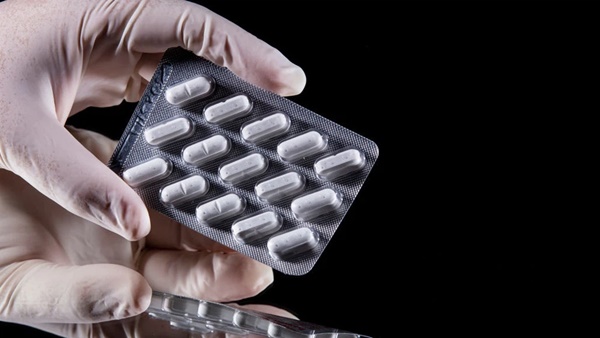
The following medications may be prescribed to patients treated for COVID-19 to treat symptoms and associated complications. Need to contact a doctor or medical staff for prescription and instructions on how to use; suitable dosage.
– Corticosteroid anti-inflammatory drugs: Including Dexamethasone, methylprednisolone, prednisolone… This is a group of anti-inflammatory drugs; Strong immunosuppression therefore should not be used to treat mild COVID-19 in the early stages. Because when the body is infected with a virus, the immune system will be activated to protect the body through the mechanism of capturing and destroying the virus. If corticosteroids are used early, it will affect the immune system’s ability to eliminate viruses; leading to prolonged treatment time or increased rates of serious complications. It is only when the body’s excessive immune response causes a cytokine storm that damages the lungs as well as other organs and affects the patient’s vital functions; newly prescribed corticosteroids.
– Anticoagulants: Rivaroxaban, Apixaban are used to treat COVID-19 when patients are at risk of increased blood clotting causing blood clots.
– Antiviral drugs: Currently in the testing process, only used for certain subjects under close supervision of medical staff. No drugs have yet proven to be clearly effective on COVID-19 patients.
– Antibiotics: Antibiotics have no effect on viruses, so they are only prescribed in cases of signs of superinfection or opportunistic infections.
– Medicines to treat insomnia, cough, stuffy nose, medicine to treat itchy skin, rashes…
Notes when patients treat COVID-19 at home
Maintain “5K: Mask – Disinfection – Distance – Do not concentrate – Medical declaration” according to the instructions of the Ministry of Health.
Prepare items to support monitoring: Thermometer to monitor temperature; oxygen pressure monitor, blood pressure monitor.
Save the necessary phone numbers in case of an emergency: Emergency phone numbers, medical staff in charge of the patient’s area of residence; Medical staff in volunteer groups.
Daily monitoring of symptoms: Fatigue; cough, cough with phlegm, cough with blood; chills/chills; conjunctivitis (pink eye); loss of taste or smell, diarrhea. Shortness of breath or difficulty breathing, prolonged chest pain, drowsiness, lack of alertness. Sore throat, headache, dizziness, loss of appetite, nausea and vomiting, muscle aches.
Immediately notify medical staff when symptoms worsen, such as: Oxygen pressure below 95%; difficulty breathing, rapid heartbeat, purple lips, purple extremities, blue skin, cold limbs; Changes in consciousness, unstable mood… For young children, pay attention to symptoms: High fever, poor appetite, vomiting, red eyes, red lips, red tongue, swollen fingers and toes with erythema, spots or patches appear. blood…
Do not use medication to treat symptoms when there are no symptoms.Be cautious in using drugs. Do not take multiple prescriptions at the same time; Pay special attention to brand-name drugs that have the same active ingredient to avoid overdose causing poisoning (such as brand-name drugs that contain paracetamol; all drugs are multivitamins).
Prescription drugs must be used under the guidance of a medical professional.