
 Tiếng Việt
 日本語
日本語3 ways to quickly fix mask straps if they suddenly break.
Due to the impact of the Covid-19 epidemic; People will be conscious of wearing masks when going out. However, what to do if the strap of the mask is broken?
Join Kim Sora to learn methods to fix mask straps if they suddenly break!
1. Repair with needle and thread
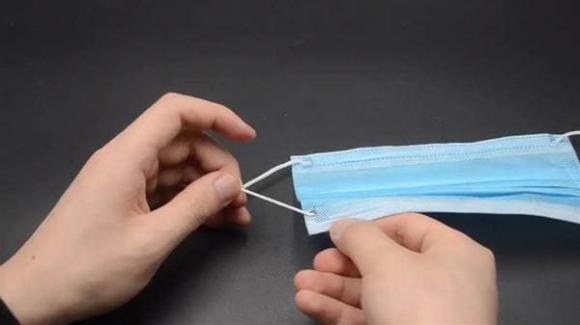
Prepare needle and thread; Press the broken end of the protective wire onto the mask and secure with sewing thread. After the mask is repaired; you can continue to use it. If you want to prevent the other ends of the rope from breaking again; you can sew one end at a time.
2. Repair with a lighter
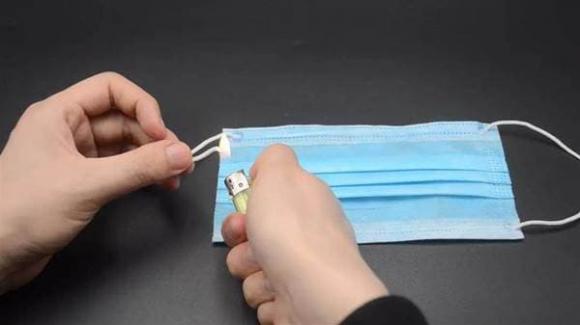
When the mask strap is broken; We can use a lighter to burn the mask strings. Then place the burned mask strap back to the mask’s original position; Use the bottom of the lighter to press in. By this way; The rope of the mask can be firmly fixed on the mask; Solve the troubles of many people.
3. Replacement rubber band
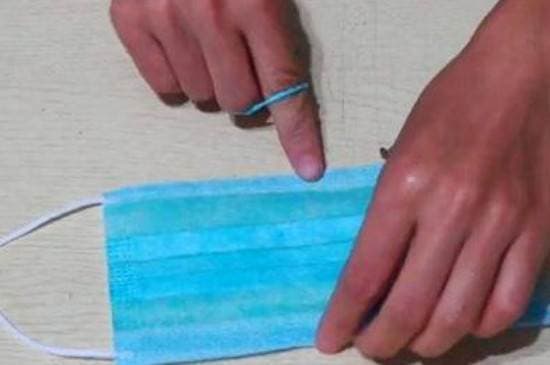
If the protective strap of the mask is broken; You can replace it with a rubber band; Use elastic bands to tightly secure the top and bottom edges of the mask; then wrap the rubber band around the base of the ear. If the wire breaks in the middle; Please tie the rope with a rubber band and secure it before use.
Notes when using masks:
You should pay attention to the shelf life of the mask when regularly wearing it; In general, the shelf life of regular masks is 2-3 years; You should not use expired masks because it will reduce the protective effect. Always wash your hands before and after wearing a mask to avoid bacteria from getting inside the mask. When wearing a mask; Do not pull too hard to avoid breaking the mask strap.
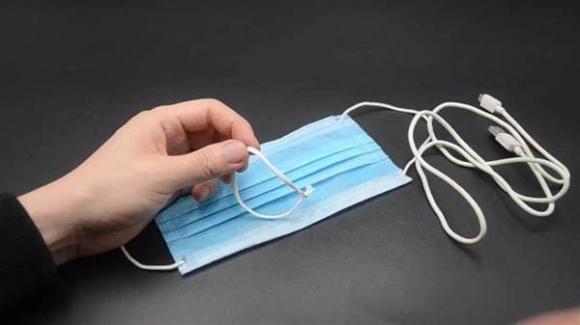
Don’t throw away your mask if the string breaks; Because with just a few simple methods, it can be easily repaired and solve many of your problems.
If you are F0, you can self-medicate COVID-19 treatment according to your doctor’s prescription at home; Here’s what patients need to keep in mind.
Principles of COVID-19 treatment
Unlike diseases caused by bacteria, there are antibiotics to treat the cause; Most viral diseases do not have specific antiviral drugs. Therefore; General principles in treating COVID-19 are similar to treating other viral diseases; is to focus on treating symptoms, improving the patient’s health and detecting; Timely treatment of complications of the disease to reduce the overall mortality rate.
To ensure implementation of these principles; Proper risk stratification for patients and close monitoring of them; During the period when the disease is likely to get worse (from day 7 to day 10), it plays an extremely important role. Only patients are assessed as capable (or have someone to support them) of taking care of themselves; You can self-medicate according to your doctor’s prescription; know how to contact medical staff for monitoring; must not have underlying diseases that do not belong to special physiological groups (newborns, the elderly, pregnant women) to be isolated; Treat COVID-19 at home.
When you know you are infected with SARS-CoV-2; Anxiety and fear will often cause patients to seek medication as soon as possible. This can put patients at risk of drug side effects and toxicity; Even taking COVID-19 medication at the wrong time can make the condition worse.
Notes when using medicine to treat COVID-19 at home
Medicines to treat COVID-19 at home include symptomatic medicines; Medicines to help improve physical condition, strengthen immunity, medicines to prevent and treat complications. In there; Some drugs to treat COVID-19 need to be used at the right time; under close supervision of medical staff; Avoid abuse that affects the recovery and future treatment process.
Medicines do not require a prescription
– Analgesics and fever reducers: Medicines containing paracetamol 500 mg are often used when patients have symptoms of cough and fever above 38.5oC; headache or body aches.
– Electrolyte replacement medicine: Oresol is used to replace water and electrolytes when the patient has a high fever; diarrhea and should be prescribed early for patients treated for COVID-19 to prevent hemoconcentration.
– Medicines to improve physical condition and enhance immunity: Multivitamins or B vitamins, vitamin C; Micronutrient. Take according to the dose stated on the label or instructions for use.
Medication requires prescription
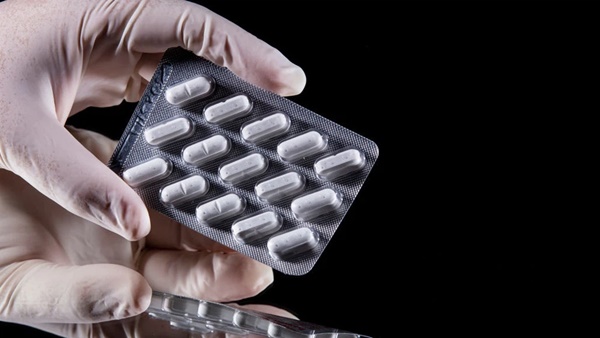
The following medications may be prescribed to patients treated for COVID-19 to treat symptoms and associated complications. Need to contact a doctor or medical staff for prescription and instructions on how to use; suitable dosage.
– Corticosteroid anti-inflammatory drugs: Including Dexamethasone, methylprednisolone, prednisolone… This is a group of anti-inflammatory drugs; Strong immunosuppression therefore should not be used to treat mild COVID-19 in the early stages. Because when the body is infected with a virus, the immune system will be activated to protect the body through the mechanism of capturing and destroying the virus. If corticosteroids are used early, it will affect the immune system’s ability to eliminate viruses; leading to prolonged treatment time or increased rates of serious complications. It is only when the body’s excessive immune response causes a cytokine storm that damages the lungs as well as other organs and affects the patient’s vital functions; newly prescribed corticosteroids.
– Anticoagulants: Rivaroxaban, Apixaban are used to treat COVID-19 when patients are at risk of increased blood clotting causing blood clots.
– Antiviral drugs: Currently in the testing process, only used for certain subjects under close supervision of medical staff. No drugs have yet proven to be clearly effective on COVID-19 patients.
– Antibiotics: Antibiotics have no effect on viruses, so they are only prescribed in cases of signs of superinfection or opportunistic infections.
– Medicines to treat insomnia, cough, stuffy nose, medicine to treat itchy skin, rashes…
Notes when patients treat COVID-19 at home
Maintain “5K: Mask – Disinfection – Distance – Do not concentrate – Medical declaration” according to the instructions of the Ministry of Health.
Prepare items to support monitoring: Thermometer to monitor temperature; oxygen pressure monitor, blood pressure monitor.
Save the necessary phone numbers in case of an emergency: Emergency phone numbers, medical staff in charge of the patient’s area of residence; Medical staff in volunteer groups.
Daily monitoring of symptoms: Fatigue; cough, cough with phlegm, cough with blood; chills/chills; conjunctivitis (pink eye); loss of taste or smell, diarrhea. Shortness of breath or difficulty breathing, prolonged chest pain, drowsiness, lack of alertness. Sore throat, headache, dizziness, loss of appetite, nausea and vomiting, muscle aches.
Immediately notify medical staff when symptoms worsen, such as: Oxygen pressure below 95%; difficulty breathing, rapid heartbeat, purple lips, purple extremities, blue skin, cold limbs; Changes in consciousness, unstable mood… For young children, pay attention to symptoms: High fever, poor appetite, vomiting, red eyes, red lips, red tongue, swollen fingers and toes with erythema, spots or patches appear. blood…
Do not use medication to treat symptoms when there are no symptoms.Be cautious in using drugs. Do not take multiple prescriptions at the same time; Pay special attention to brand-name drugs that have the same active ingredient to avoid overdose causing poisoning (such as brand-name drugs that contain paracetamol; all drugs are multivitamins).
Prescription drugs must be used under the guidance of a medical professional.
Pain and swelling at the injection site are common reactions to mRNA technology Covid-19 vaccines such as Moderna and Pfizer-BioNTech; called a reaction after Covid vaccination in the arm; or “Covid arm”.
What is the “Covid arm”?
Covid arm post-vaccination reaction – or “Covid arm” is an immune system reaction that some people experience after receiving the Moderna vaccine.
Pfizer-BioNTech’s Covid-19 vaccine may also cause this post-injection reaction at a lower rate. This post-injection reaction has not been detected in Johnson & Johnson’s Janssen Vaccine.
This is a slow-acting hypersensitive skin reaction that occurs on or around the vaccine injection site; appears after a few days to 1 week or longer after the first or second injection.
According to research on people experiencing this condition, it shows; “Covid arm” symptoms usually appear about 7 days after the first shot, 2 days after the second shot.
Post-injection reactions in the arm include: Itching, possibly severe itching; red rash or discoloration of the skin around the injection site of varying sizes. In some cases, the rash may spread to the hands or fingers; swelling, pain; the skin in the injection area feels warm to the touch; Hard lumps appear under the skin at the injection site…
Why does the “Covid arm” phenomenon occur?
“Covid arm” is believed to be an overreaction of the immune system. It shows that the body’s immune cells are reacting to the muscle cells; where mRNA technology vaccines have been absorbed.
The Covid-19 mRNA vaccine helps the body create the S protein of SARS-CoV-2. In some cases, this causes the immune system to identify an infection that needs to be eliminated; leads to excessive immune response; causes signs of Covid arm.
Currently, the Covid-19 mRNA vaccine is still very new, so we still do not know clearly about the exact mechanism that causes Covid arm symptoms. Scientists around the world are continuing to research this sign.
Covid arm symptoms usually last 3 to 5 days. This condition will not progress to the point of being life-threatening; or any serious allergic reaction and also not related to post-injection anaphylaxis.
Should I self-treat?
First, we need to clearly understand two issues:
– Treating the “Covid arm” will not reduce the immune system’s response to the injected vaccine.
– The condition of “Covid arm” after the first injection is not a reason to delay or contraindicate the second injection (for Covid-19 vaccines that require 2 injections). A second injection is necessary to get the best immune effect.
Although not serious, “Covid arm” can cause discomfort and inconvenience to the person experiencing it. Therefore, some home treatments help relieve pain, swelling and itching:
– Apply cool compresses.
– Use topical steroids.
– Use local pain relievers.
– Use oral antihistamines.
– Use pain relievers; such as acetaminophen or nonsteroidal anti-inflammatory drugs (NSAIDs).
See a doctor or call the vaccination staff in case the signs are severe or last too long.
Recently, due to the complicated developments of the Covid-19 pandemic, Kim So Ra Co., Ltd. immediately attended the quarantine station in Nam Dong District, Thua Thien Hue Province to deliver a small gift full of love and trust to the front lines. With the hope of helping the isolated troops and people further increase their motivation. The spirit of fighting against epidemics.
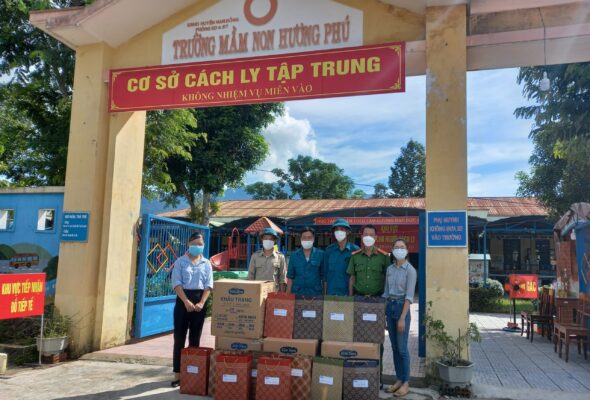
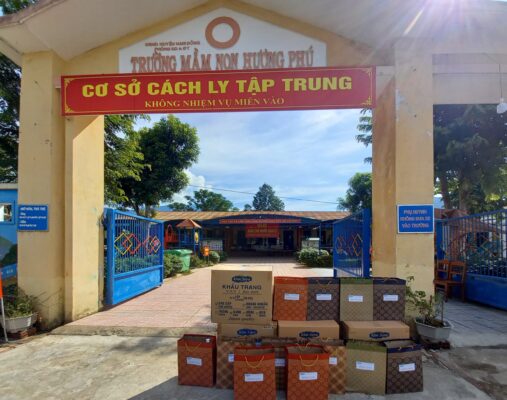
Kim Sora Co., Ltd. has implemented many meaningful action programs. Encourage medical staff, doctors, and frontline troops fighting the epidemic and share their difficulties. Especially in treatment areas, isolation areas and lockdown areas. We will continue to stand shoulder to shoulder. We will stand by Party committees, authorities, agencies, departments, branches, and families in difficult situations due to the impact of the coronavirus pandemic. Allocate more resources to prevent and control infectious diseases and ensure social security. People’s life safety and health.
Covid-19 pandemic globally, a big worry for the community. Join hands with the whole country in general and Thua Thien Hue province in particular in disease prevention; Kim Sora coordinated with Manh Ty Pharmacy and Hoang Quan Pharmacy chain to implement the program: “Accompanying Hue city – Giving away free masks; joining hands for the community to prevent Covid-19”.
Specifically, at locations distributing free masks in Hue:
Dong Ba Market
Hue central hospital
Ben Ngu market
Tuberculosis hospital
Japanese Kim Sora standard masks will be delivered personally; for people living in the Hue City area, pedestrians, small businesses, children and young people; students in the City area.
During this period of time, the epidemic is breaking out strongly like today. “Giving masks to people who really need them”. Giving out free masks is not just about sending them to people in need; it’s about sending a message to change people’s perception; need to raise awareness of epidemic prevention; Do not be subjective in the work of preventing dangerous epidemics.
Each mask given has the meaning of “protecting health – increasing community benefits”. Kim Sora Co., Ltd. always wants to “Accompany – Share and Develop”, sharing in difficult times helps us spread love between people. Always wear a mask and consciously follow the 5K message as well as physical distancing regulations. Kim Sora believes that the epidemic will soon be effectively controlled.